

May Is National Stroke Awareness Month: How Physical Therapy Supports Recovery After Stroke
Every May, we recognize National Stroke Awareness Month—a time dedicated to increasing awareness about stroke prevention, recognizing warning signs, and understanding the path to recovery. Stroke can happen suddenly and change a person’s life in an instant, affecting movement, speech, balance, memory, and independence.
At our neurologic-focused physical therapy clinic, we believe education and early rehabilitation are powerful tools in helping stroke survivors regain function and confidence. Whether recovery begins days after a stroke or months later, therapy can make a meaningful difference.
What Is a Stroke?
A stroke occurs when blood flow to part of the brain is interrupted, depriving brain tissue of oxygen. This can happen in two primary ways:
Ischemic Stroke: Caused by a blockage in a blood vessel supplying the brain
Hemorrhagic Stroke: Caused by bleeding in or around the brain
Because the brain controls movement, sensation, communication, and thinking, the effects of a stroke depend on which area of the brain is impacted.
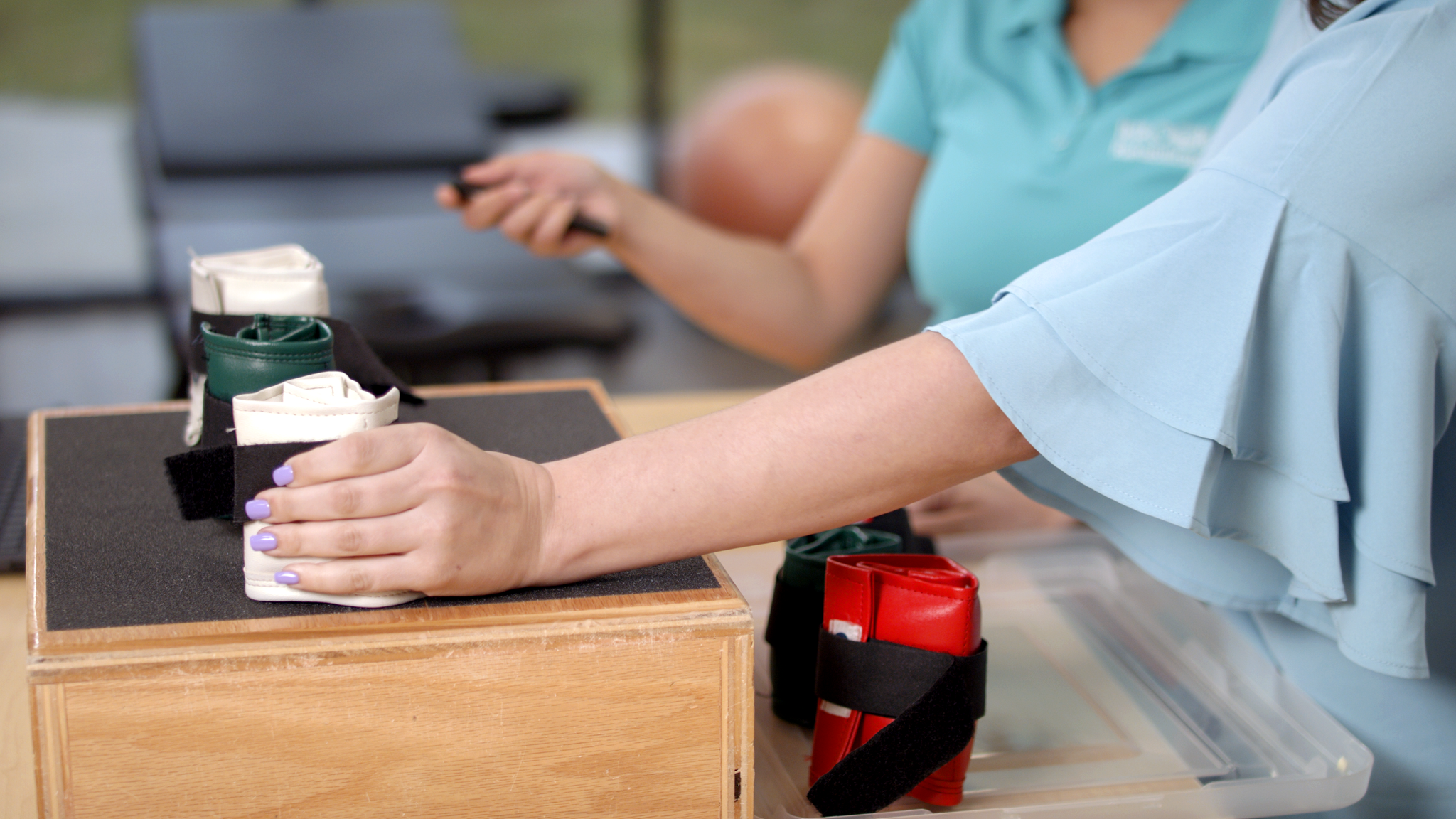
Every stroke is different, which means every recovery plan should be individualized.
Know the Warning Signs: BE FAST
Recognizing the signs of stroke quickly can save lives and improve outcomes. Remember the acronym BE FAST:
Balance – Sudden loss of balance or coordination
Eyes – Sudden trouble seeing
Face – One side of the face drooping
Arms – Weakness or numbness in one arm
Speech – Slurred speech or difficulty speaking
Time – Call emergency services immediately
The faster treatment begins, the better the chances for a complete recovery.
How A Stroke Can Affect Daily Life
Stroke survivors may experience a variety of challenges, including:
Weakness or paralysis on one side of the body
Difficulty walking or maintaining balance
Fatigue and reduced endurance
Trouble using an arm or hand
Changes in sensation
Difficulty with coordination
Increased risk of falls
Cognitive or communication changes
Every stroke is different, which means every recovery plan should be individualized.
The Role of Physical Therapy in Stroke Recovery
Physical therapy is a key part of neurologic rehabilitation after stroke. Our goal is to help patients improve mobility, maximize independence, and safely return to meaningful activities.
Treatment may focus on:
Restoring Strength and Movement
Targeted exercises help rebuild strength, improve range of motion, and encourage use of affected limbs.
Improving Balance and Walking
Gait training, balance exercises, and fall prevention strategies can improve safety and confidence.
Promoting Neuroplasticity
The brain has an incredible ability to adapt and form new pathways. Repetitive, task-specific practice helps retrain the brain and body to work together again.
It’s Never Too Late to Improve
Many people believe recovery only happens in the first few months after stroke. While early intervention is important, meaningful progress can continue months or even years later with the right approach to your therapy. Technology and medical improvements like Vivistim are also allowing patients to overcome rehabilitation plateaus. The nervous system can continue to adapt when challenged appropriately.
FAM is Here to Help
National Stroke Awareness Month is a reminder that education, prevention, and rehabilitation matter. If you or a loved one has experienced a stroke, specialized neurologic physical therapy can help restore function and improve quality of life.
Our team is dedicated to guiding patients through every stage of recovery with evidence-based care, compassion, and personalized treatment plans.
If you have questions about stroke rehabilitation, contact our clinic today.